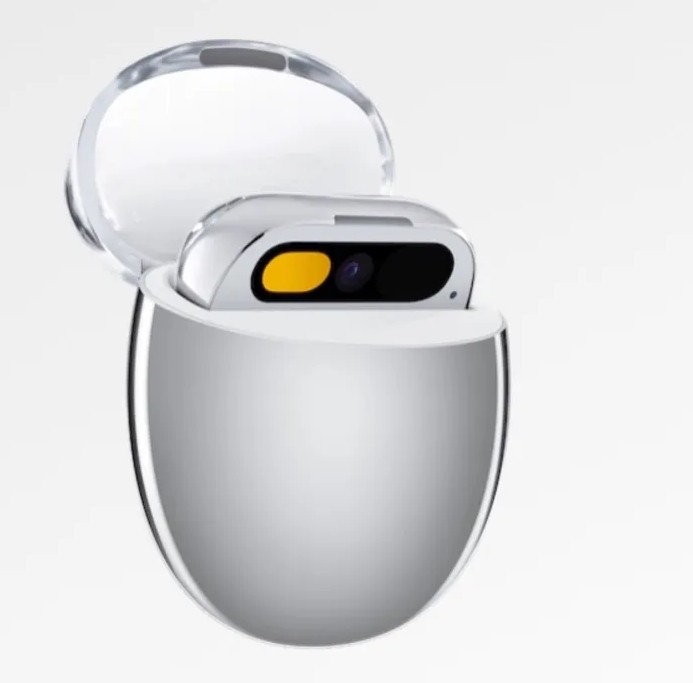
Hardware development oversight and a three-month firmware sprint for the accessories behind one of tech's boldest bets.
Humane set out to redefine the phone and personal computing market with the AI Pin — a screenless wearable that used projected display technology to reduce users' reliance on traditional screens. Bringing a product that ambitious to market demands total focus, and Humane's engineers were fully occupied with everything AI Pin. So they turned to Intercreate to own hardware development oversight for the Pin's two primary accessories: the Charge Pad and the Charge Case.
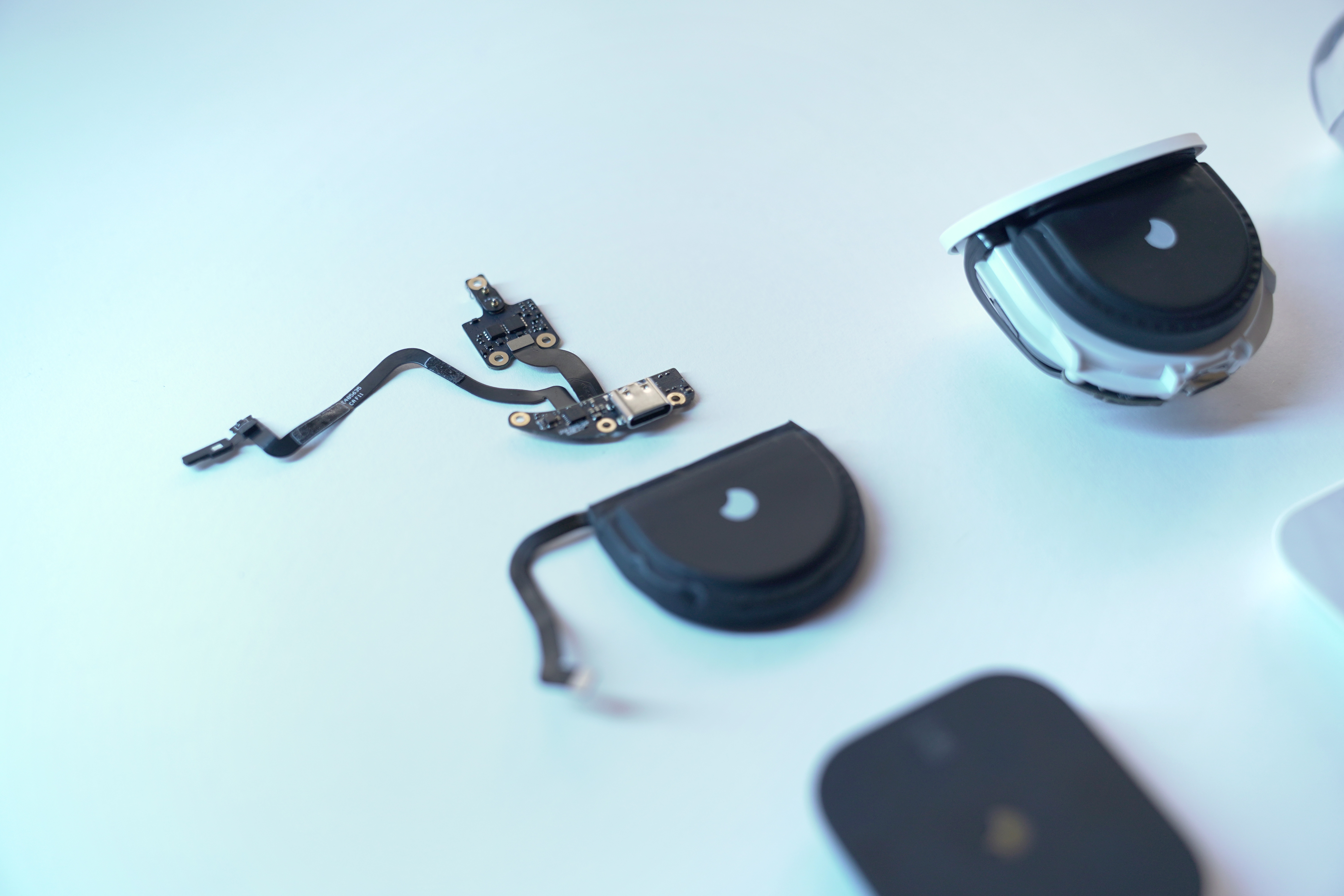
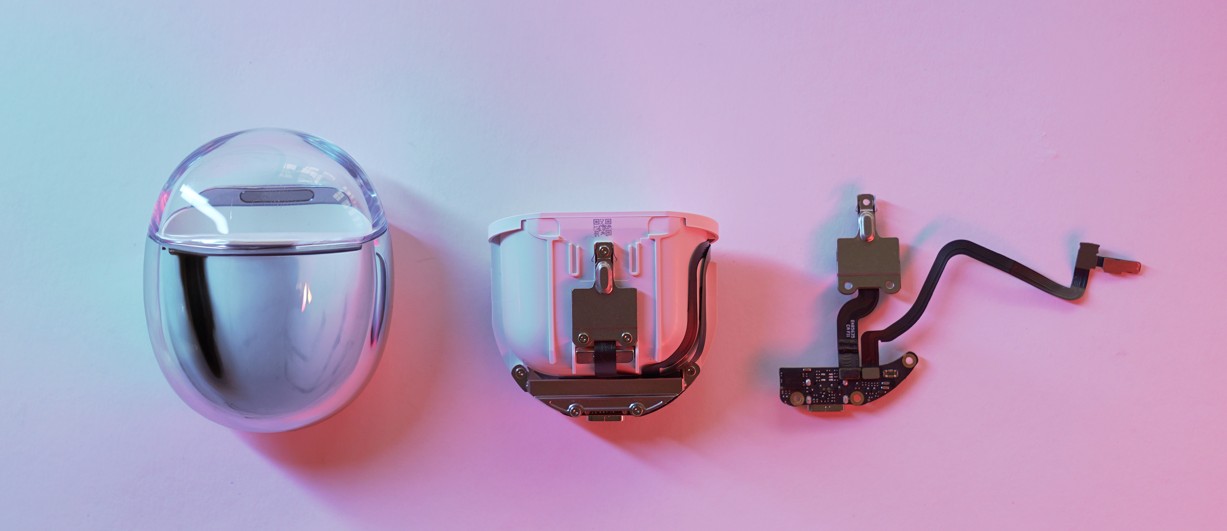
Ground-up design was handled by Humane's contract manufacturer; our job was to ensure those designs met specification and integrated seamlessly with the AI Pin. We guided both accessories through a full product development progression. From early prototypes with steadily increasing functionality into New Product Introduction (NPI), where the emphasis shifted to test fixture coverage and test validation.
The Charge Pad was the easy one. With no internal battery to accommodate and plenty of PCB layout space, the design came together cleanly.
The Charge Case was another story. Its curved enclosure, tight internal volume, and fixed locations for sensors and connectors ruled out any conventional layout. The final design packed two rigid boards and two custom flex boards into the case. Working within hard constraints is what we do every day at Intercreate, so this was a familiar kind of puzzle, and a genuinely fun one to solve.
As the program progressed, our role grew. Late in the development cycle, Humane realized the Charge Case firmware coming from the contract manufacturer wasn't production quality, and asked us to take ownership of it.
What followed was one extended sprint: three months to go from zero to production-quality firmware, complete with field upgradeability. The chosen MCU meant bare-metal development, and we built the entire build system from scratch.
Our depth in electrical systems mattered as much as our firmware experience. A favorite example: sweat could form on the charging contacts and create intermittent shorts during charging, which over time would discolor the contacts. We put real effort into characterizing this failure mode and building firmware that detects and gracefully handles it, exactly the kind of hardware-meets-firmware problem we love.
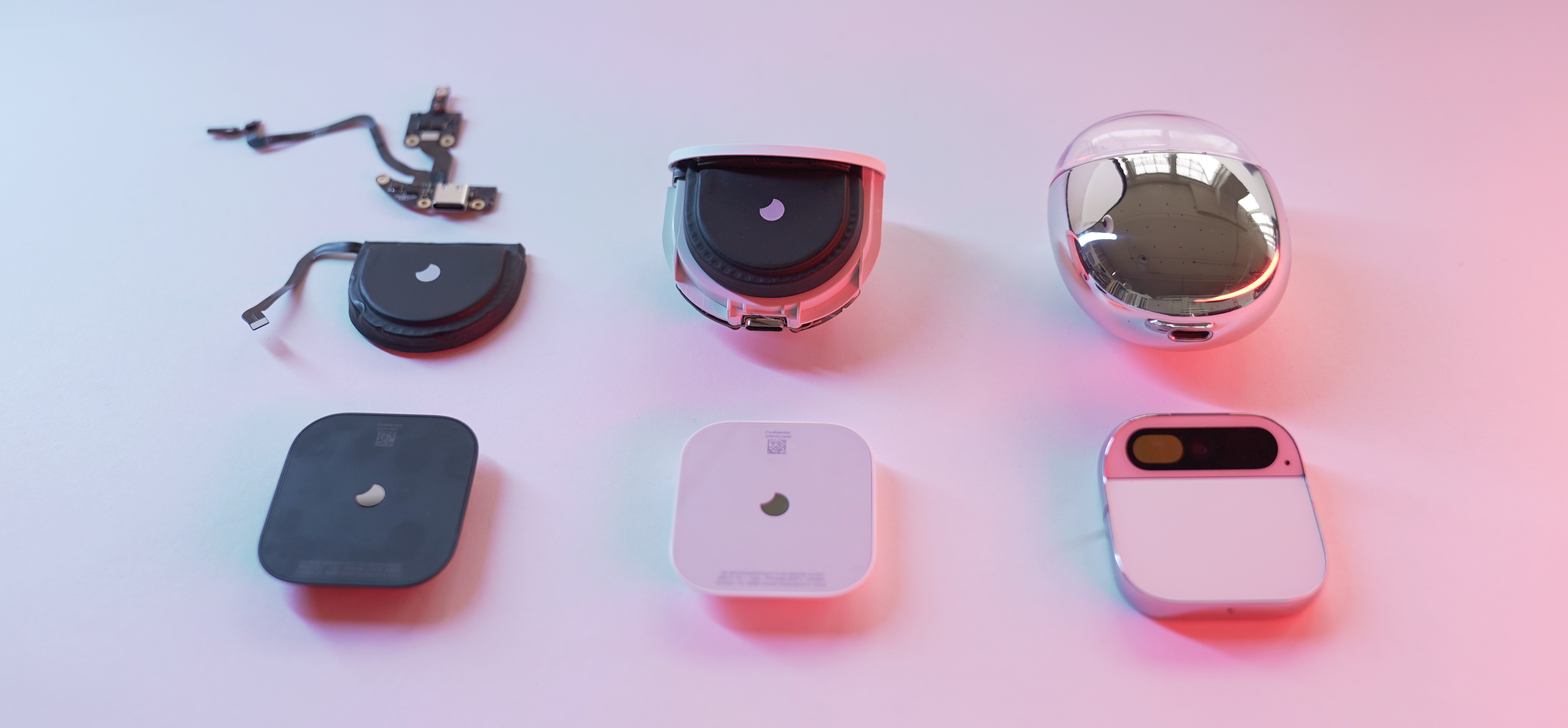
Both accessories shipped alongside the AI Pin. The Pin itself ultimately fell short of commercial expectations, and Humane was sold to HP in early 2025. Much like Google Glass in 2013, its technology reached a public that wasn't quite ready for it. The engineering, though, stands on its own. Intercreate, along with the hundreds of people who built the AI Pin, takes real pride in what we accomplished: the constraints we designed within, the production deadline we hit, the lessons we learned, and the lasting relationships we built along the way.
Principal Engineer: Dave Desrochers
Services: Firmware Engineering, Hardware Engineering, Design for Manufacturing, Test Fixture Development and Mass Production Support