Genius Sports: Evolving a Sports Technology Platform for the Demands of Live Sports
Founded in London in 2001, Genius Sports has grown from a betting data specialist into one of the world’s largest sports technology companies. Today, the company works with leading brands across the sports ecosystem to transform sports data, performance, and fan experiences. Intercreate has partnered with Genius Sports since 2023 to evolve the hardware behind its Semi-Automated Offside Technology (SAOT), helping capture the high-quality video footage that supports critical decisions in professional football.
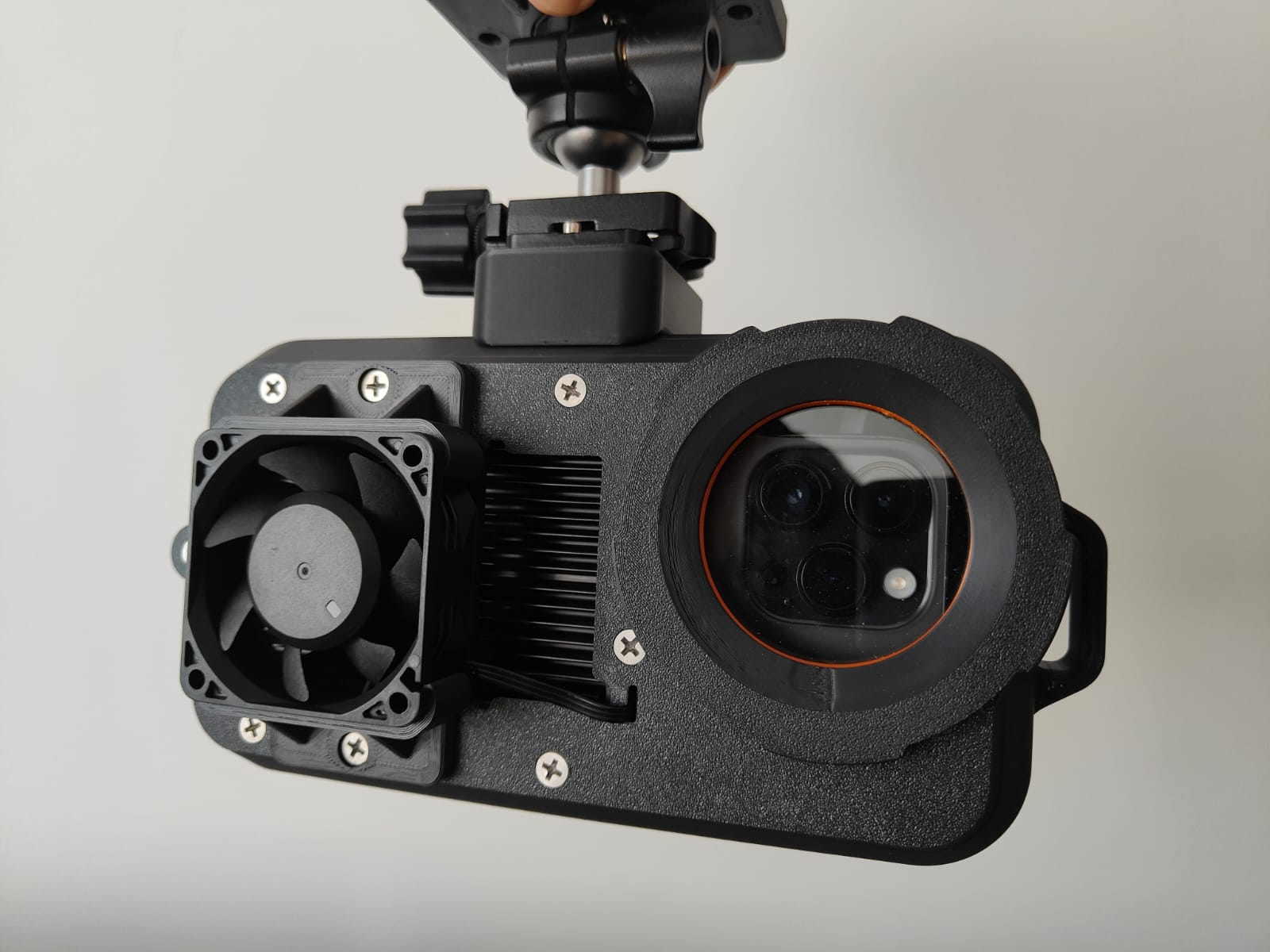
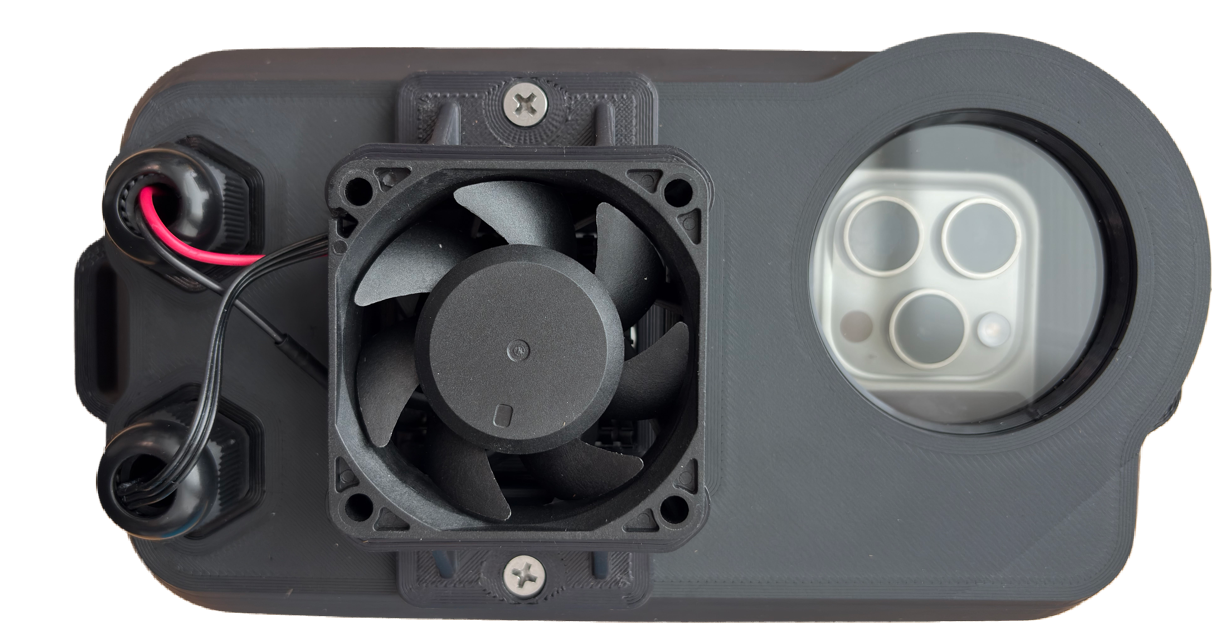
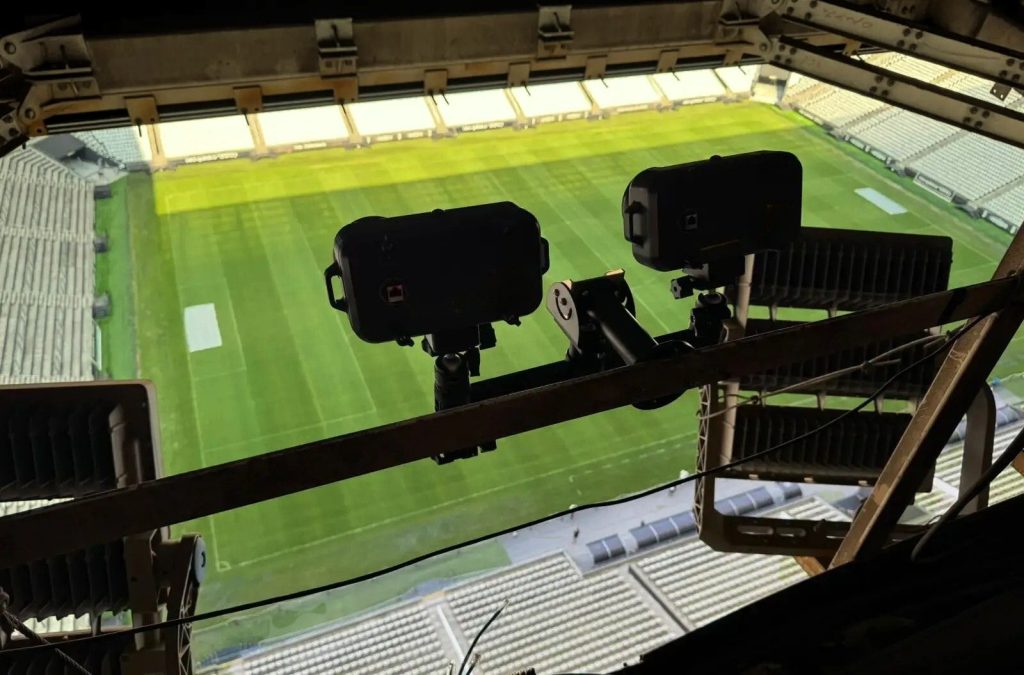
At the heart of this technology is the Dragon system, which houses an off-the-shelf iPhone and keeps it powered, cool, and connected via Ethernet while recording video. With plans to deploy thousands of units in stadiums around the world, reliability and adaptability were essential.
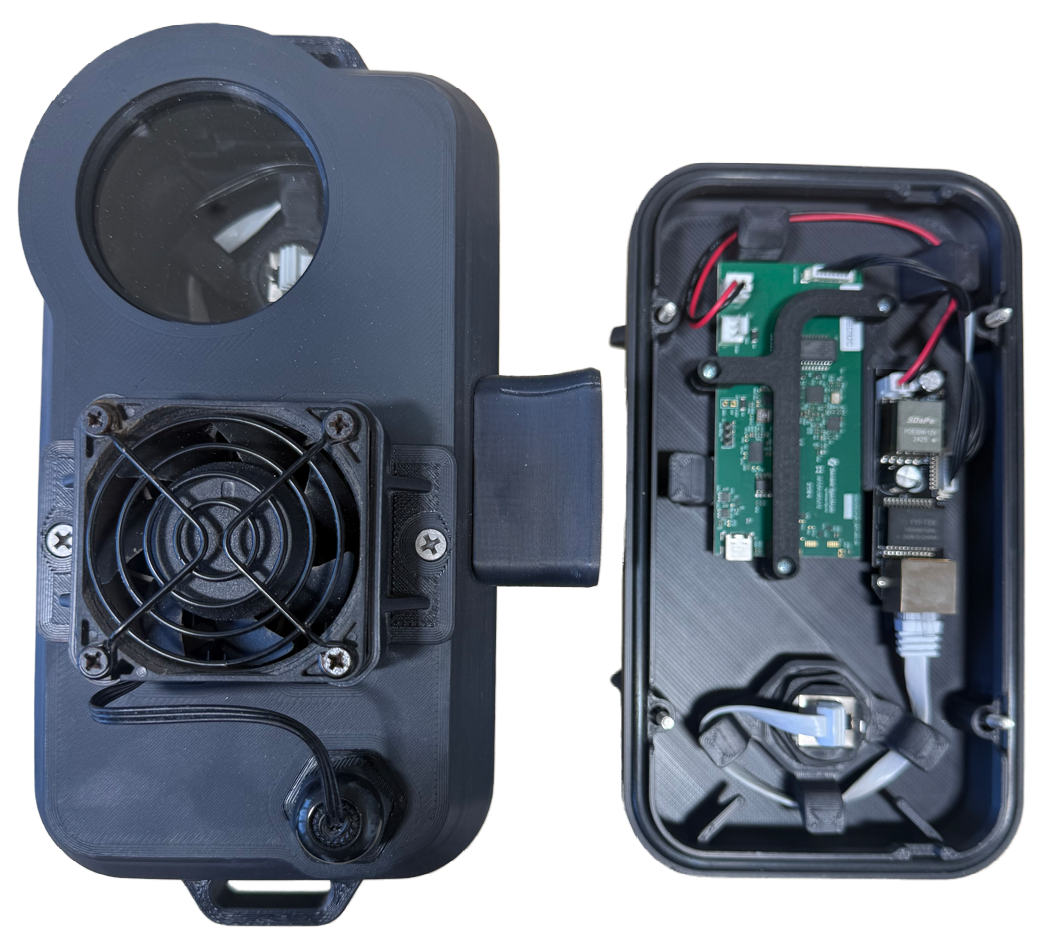
Genius Sports first came to Intercreate to help design the second generation of the Dragon’s printed circuit board assembly (PCBA). The goal was to validate a new design within three months so they could move forward with a larger production order and get units into the field.
Drawing on our prior Ethernet circuitry experience, we quickly characterized the existing system and developed an updated board design. We delivered 10 custom PCBAs for prototypes, a full characterization report comparing the original and improved systems, and a standard operating procedure for assembly and inspection.
The result? Just 3 months later, Genius Sports had a validated design and was ready to order 500 boards. Since then, more than 5,000 Dragon units have been deployed in stadiums worldwide. This initial project established the foundation for a relationship that would extend well beyond the first design milestone, with Intercreate continuing to support the Dragon as real-world deployment revealed new requirements and opportunities for improvement.
As the Dragon evolved, so did the challenges. Running image processing and continuous 4K video recording on an iPhone, while charging it, can generate significant heat. Genius Sports wanted to ensure the system could operate in hotter climates, where traditional cooling fans might not be practical.
We investigated the Dragon’s thermal performance and evaluated cooling options. Our solution was a thermoelectric cooler (TEC), also known as a Peltier device, paired with a suitable driver and thermal interface material. Our testing demonstrated that we could reduce the temperature by approximately 8°C (~14°F) relative to ambient temperature. This solution was implemented to help keep the phone from thermal throttling during demanding recording sessions.
Next, Genius Sports asked us to add external microphone support so the Dragon could capture stadium audio alongside video. As we developed this new feature, we also identified an opportunity to greatly reduce the BOM cost by replacing an expensive off-the-shelf Apple adapter with a custom designed alternative. We incorporated the new adapter into the updated board design alongside active cooling controls, temperature monitoring, power-over-Ethernet voltage monitoring, microphone detection, and a hardware watchdog to improve system robustness.
The updated design brought these improvements together in a single board. The new board supported external audio capture through USB audio, while maintaining the power, data, and thermal-management capabilities needed to keep the Dragon working as intended.
By looking beyond the immediate feature request, we could address several interconnected engineering challenges at once, improving functionality, reducing cost, and strengthening the reliability of the overall system.
One of the recurring challenges with hardware products built around consumer technology is that the technology and the components supporting it can change over time. As new iPhone generations introduced different connectors and capabilities, we adapted the Dragon design to maintain compatibility and support evolving requirements. That meant working through different USB configurations, power delivery behavior, adapters, and programming processes. It also reinforced the importance of considering the entire production system, not just the PCBA itself, including cables, firmware programming, and manufacturing requirements.
Understanding how all these elements work together is essential when a product must perform consistently at scale. It is also where a long-term engineering partnership makes a real difference: knowledge gained during earlier design and production phases can inform decisions, accelerate troubleshooting, and help prevent issues as the product develops.
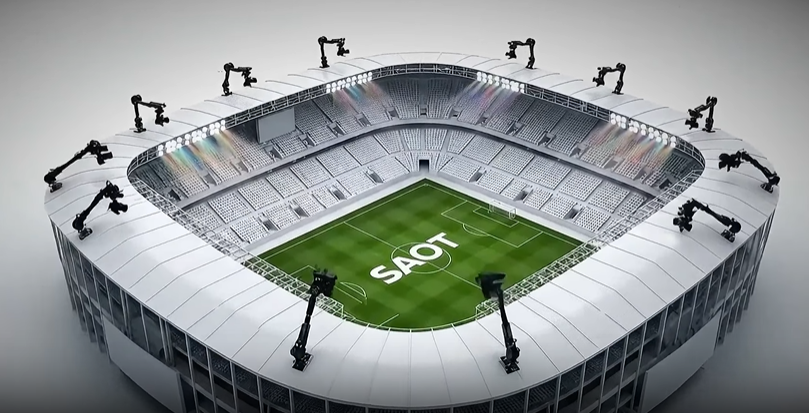
What began as a three-month hardware project has grown into an ongoing collaboration spanning design validation, thermal management, audio integration, cost reduction, and troubleshooting. For us, this is what a successful engineering partnership looks like: staying involved as a product moves from concept and prototyping into production, deployment, and continued improvement. Each phase brings different challenges, and the ability to connect decisions made at the circuit-board level with the realities of manufacturing and operation in the field, gives our customers a more consistent, informed approach to product development. Rather than starting from scratch with every new requirement, we build on our understanding of the product and the people who use it.
Today, we are working on the next evolution of the Dragon platform: improving cooling performance for higher ambient temperatures and developing a custom Power-over-Ethernet solution to optimize charging and cooling while reducing dependence on a single supplier.
As Genius Sports continues to develop its SAOT technology, we’re proud to provide the engineering continuity that helps the Dragon evolve alongside it, bringing together design expertise, practical manufacturing knowledge, and an understanding of how the system performs in the real world. We’re proud to help Genius Sports deliver the technology that captures the moments, data, and experiences that bring sports to life!
Principal Engineers: Mike Brust and Jerry Capistrano
Services: Electrical engineering, Firmware engineering, Thermal Analysis, Prototyping, Hardware Validation, Manufacturing Support, and Project Management.