





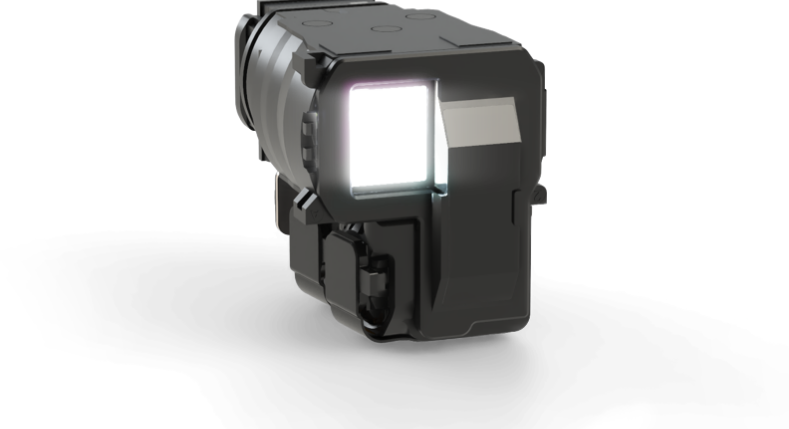
At Intercreate we're no strangers to pushing the boundaries of what's possible. We're often partnering with startups and companies working on bringing entirely new products or entirely new product segments to life.
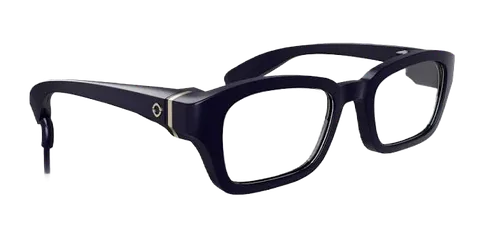
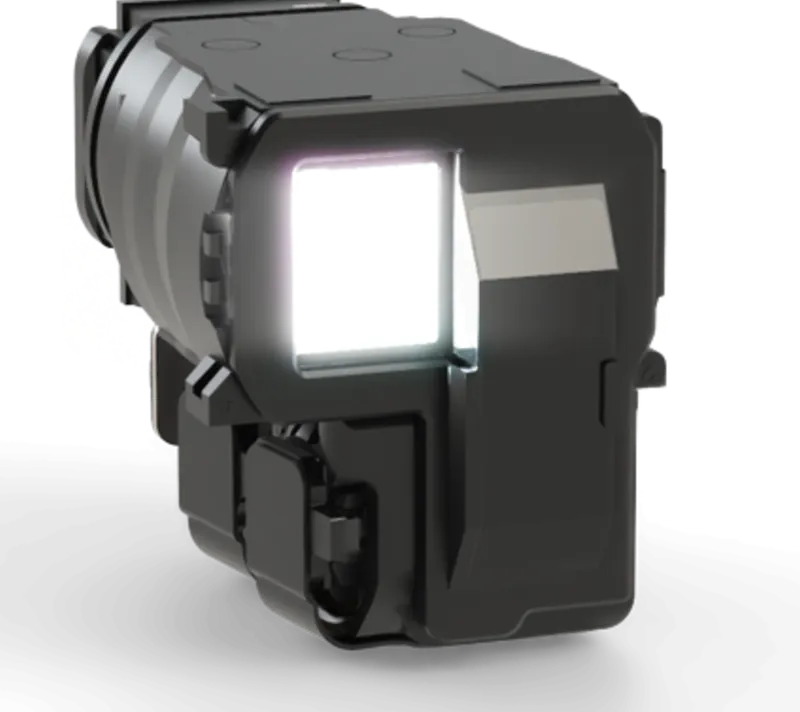
When Avegant came to us for help with a complex, high-speed, rigid-flex circuit board it was a natural fit. Avegant is at the cutting edge of ultra-compact light engines for augmented reality glasses and was looking to have a new prototype ready to demo at CES. Avegant has one of the most talented hardware engineering teams in Silicon Valley. But with a tight schedule ahead of CES, Avegant engaged Intercreate to add engineering capacity.
When a project starts, there's typically a discussion between all the parties involved to get everyone acquainted, define requirements, determine how work will be done, and sort out other logistical chores. It can take time to get a new team up to speed on how to work together effectively. With this project's deadline, there wasn't time for that. Avegant had the technical requirements lined up and needed an experienced engineer who could start executing on day 1 without any hand-holding.
Intercreate was able to seamlessly integrate into Avegant's engineering team and begin contributing to the project right out of the gate. This is where deep knowledge of the tools, process and responsibilities of the various engineering disciplines pays off. Any manager knows that throwing new people at a problem rarely increases the velocity of the team in the short term. There's always a period where the status quo adjusts to fit the new person. At Intercreate, minimizing that ramp-up time is one of our core strengths. Whether we're augmenting an experienced engineering team or supporting a company with absolutely no technical expertise, we'll integrate quickly and help our clients hit the ground running.
With the requirements defined by Avegant, we got to work. The product development cycle involves constant iteration between the disciplines. There's a continuous push and pull between the electrical, mechanical, firmware, industrial design and manufacturing to identify the most effective path forward.
Often, making one aspect of the design "easier" requires a tradeoff somewhere else. Identifying those opportunities and getting everyone aligned is critical.
The process is full of back-and-forth questions like:
- "Can we make this area of the design larger if we shave off area from another spot?"
- "If I swap where these two parts are placed, will it still fit in the case?"
- "This connector pinout is difficult, can I change it or does it make something else in the system more complicated?"
A lot of times these questions involve getting buy-in from all the affected parties. Typically this means a meeting, or an email chain to document the process. In order to hit the deadline though we couldn't afford spending days of back and forth emailing. Instead of an email chain with four people spread out over a week, we'd hop on a video call, spin the CAD around, and make a decision in real time. The days of throwing work over the fence to a subcontractor and waiting around for a reply are over. That's not what we do at Intercreate.
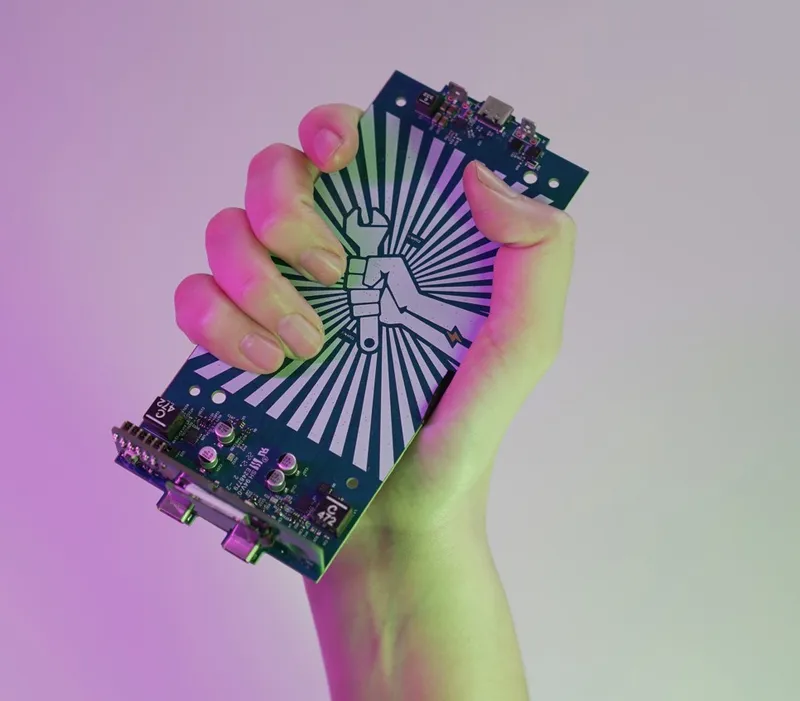
After a few weeks of work, we had a design ready to share with the manufacturer for feedback. Early manufacturer involvement is critical in PCB design because it ensures the design can actually be built. This project was no different. The design was demanding: high speed digital signals, high power LEDs and a complex geometric shape, all packed into an extremely small form factor. We sought early manufacturing feedback and, once we had it, completed the design and sent it off for fabrication.
Late in the process, a fabrication constraint emerged that required the team to reassess its approach, with the CES deadline looming. Back to the drawing board we went. We pivoted quickly, working with Avegant and its manufacturing partners to identify a path that could meet the schedule. With a new plan in place it was full speed ahead. After a few more rounds of design tradeoffs, CAD revisions, and long weekends, we had an updated design that the manufacturing team was comfortable with. Off to fabrication it went.
The end result of this project was exactly what was needed. Avegant received a manufacturable prototype in time for CES, despite a late-stage design constraint. By integrating seamlessly with the client's team, adapting quickly to changing constraints, and making decisions in real time, we helped keep a critical project on track.
Avegant's talented team took it from there. Deadline met!