
How we work
Hardware lends itself to a waterfall approach, so that is how we run it: requirements gathering, non-form factor, form factor, then EVT, DVT and PVT.
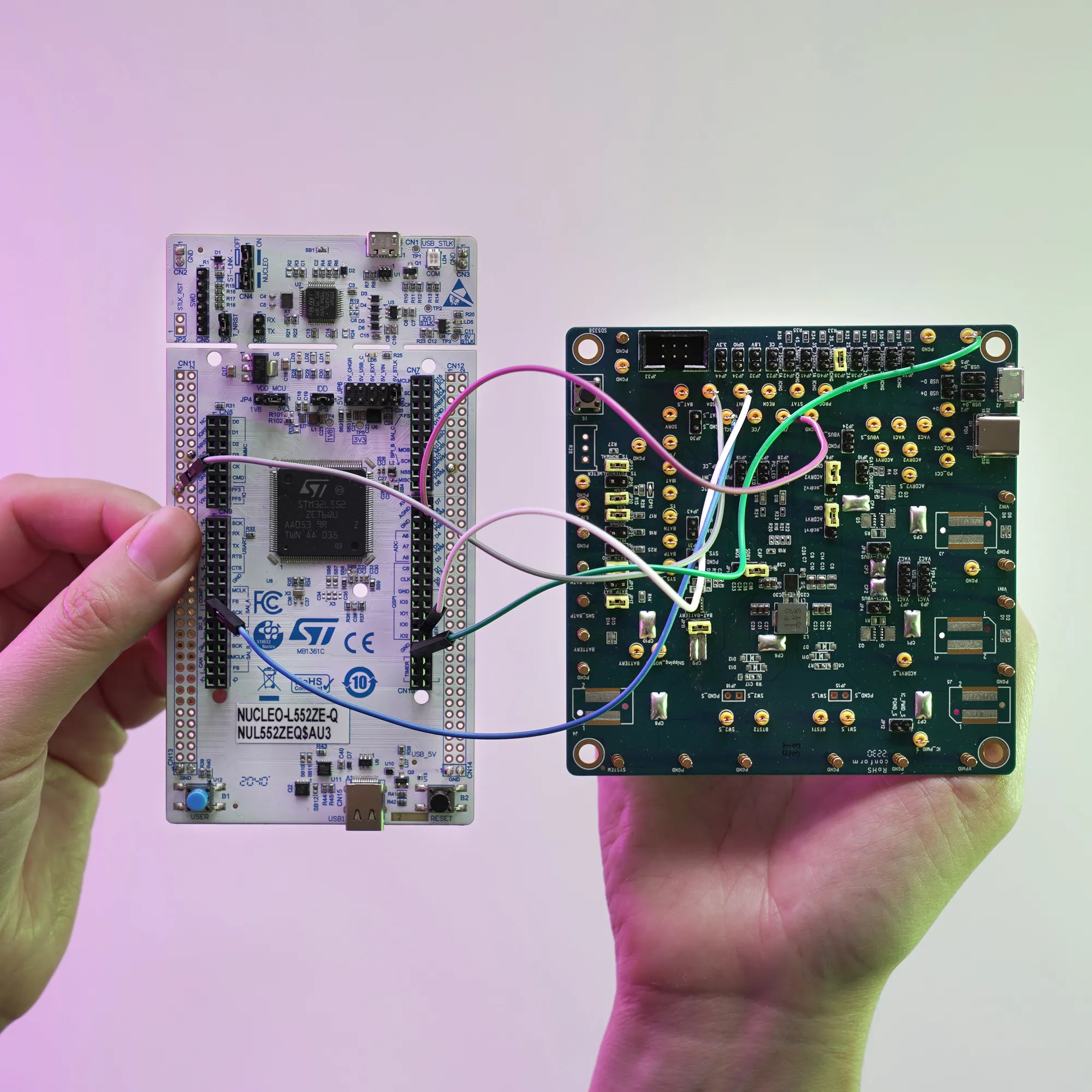
The non-form factor (NFF) phase exists to validate the architecture before anyone is constrained by an enclosure. We use it to prove the signal and power block diagrams, to breadboard and simulate the parts of the design we are least sure about, and to find the decisions that are cheaper to change now than later.
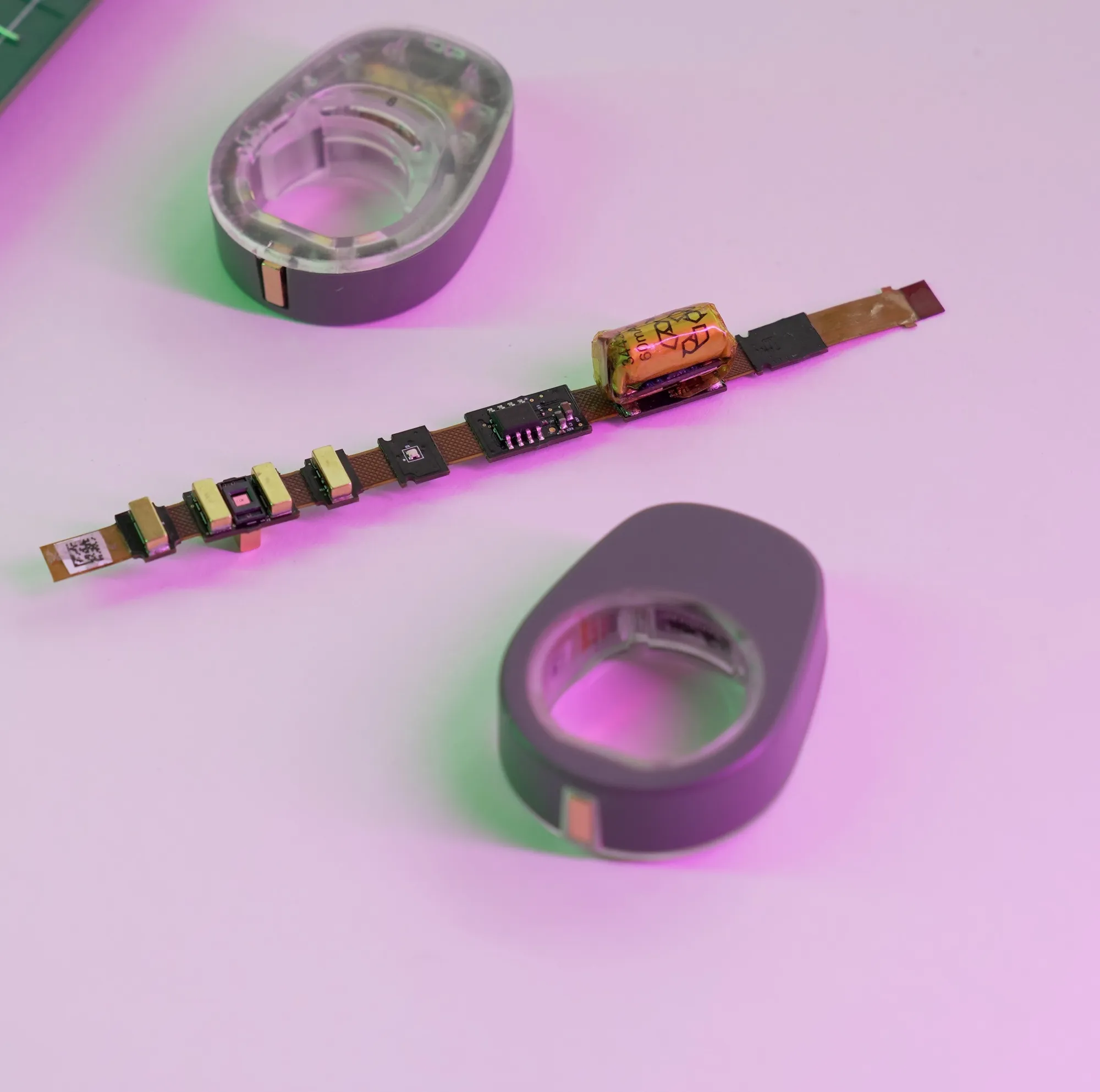
Form factor is where the design comes down to its final dimensions and the collaboration with the mechanical team matters most. We work to the mechanical control outline (MCO) rather than against it.
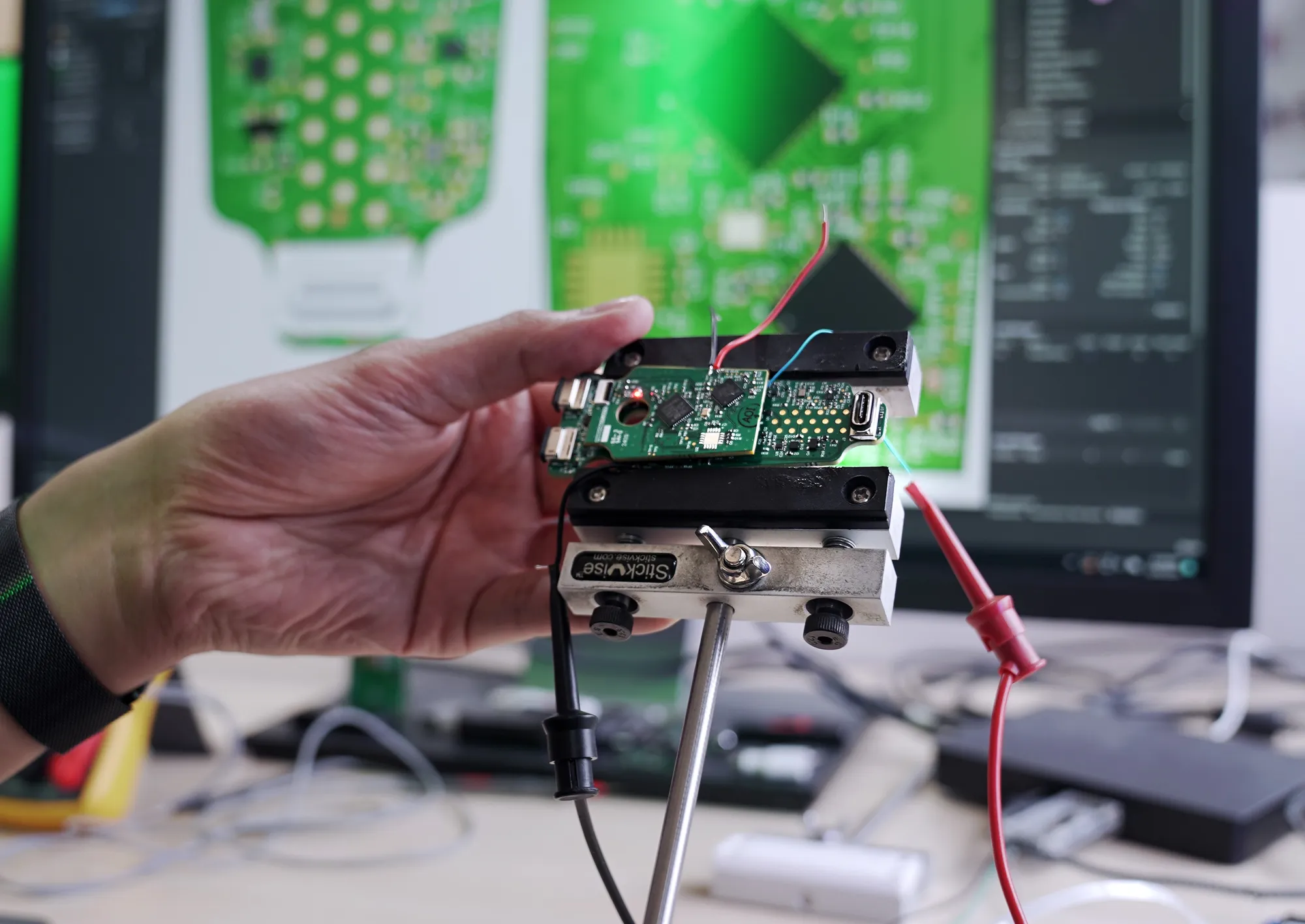
After a successful form factor design, some projects are finished — working prototypes were the goal. Others transition electrical ownership to a JDM who makes minor changes for BOM substitutions and test fixture access. And on some, like iFixit, we keep the electrical and test fixture design through the scale up to high volume.
What that looks like in practice
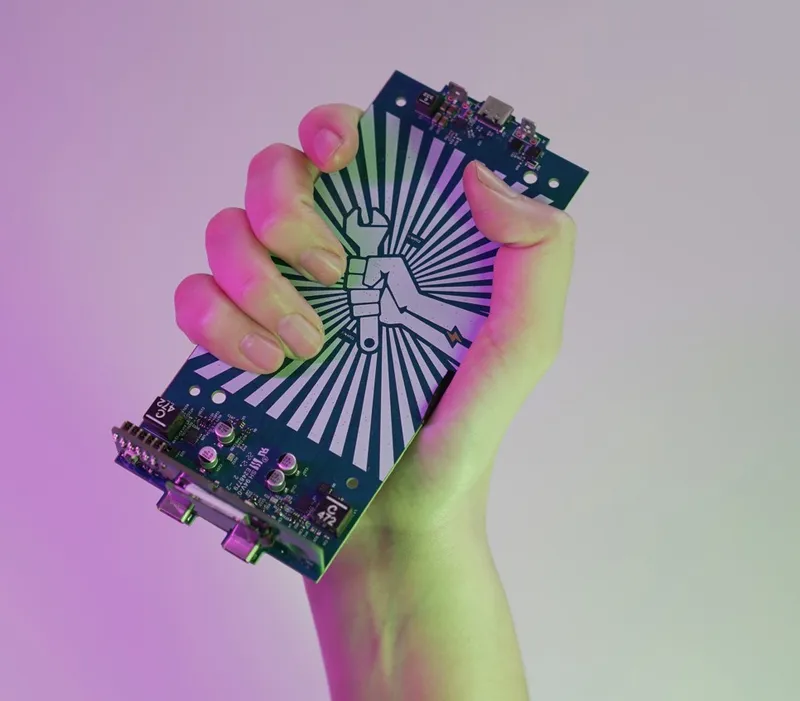
On the iFixit Power Station and Soldering Iron, the NFF phase led us to three PCBAs: the Power Station main board, a vertically mounted user interface board, and the Soldering Iron itself. It also surfaced safety decisions — we replaced individually replaceable battery cells with a safer, still user-friendly way of swapping the whole pack. In form factor, the constraint that shaped the work was keeping the Iron's PCBA small enough to hold comfortably while still consuming 100W.
For Roche, the question was whether one common PCBA could cover test cases nobody had specified yet. It could: the compute module we delivered exposes CAN, I2C, PWM and IO-Link to a backplane PCBA, so future test setups reuse it instead of starting over.
Supply is part of electrical design, not separate from it. Through the 2020–2022 microcontroller shortage we secured STM32 parts ahead of the EVT builds by leaning on distributor contacts. Where that did not work — the battery charger and PMIC were more than a year out — we designed in a replacement with less supply risk rather than waiting.
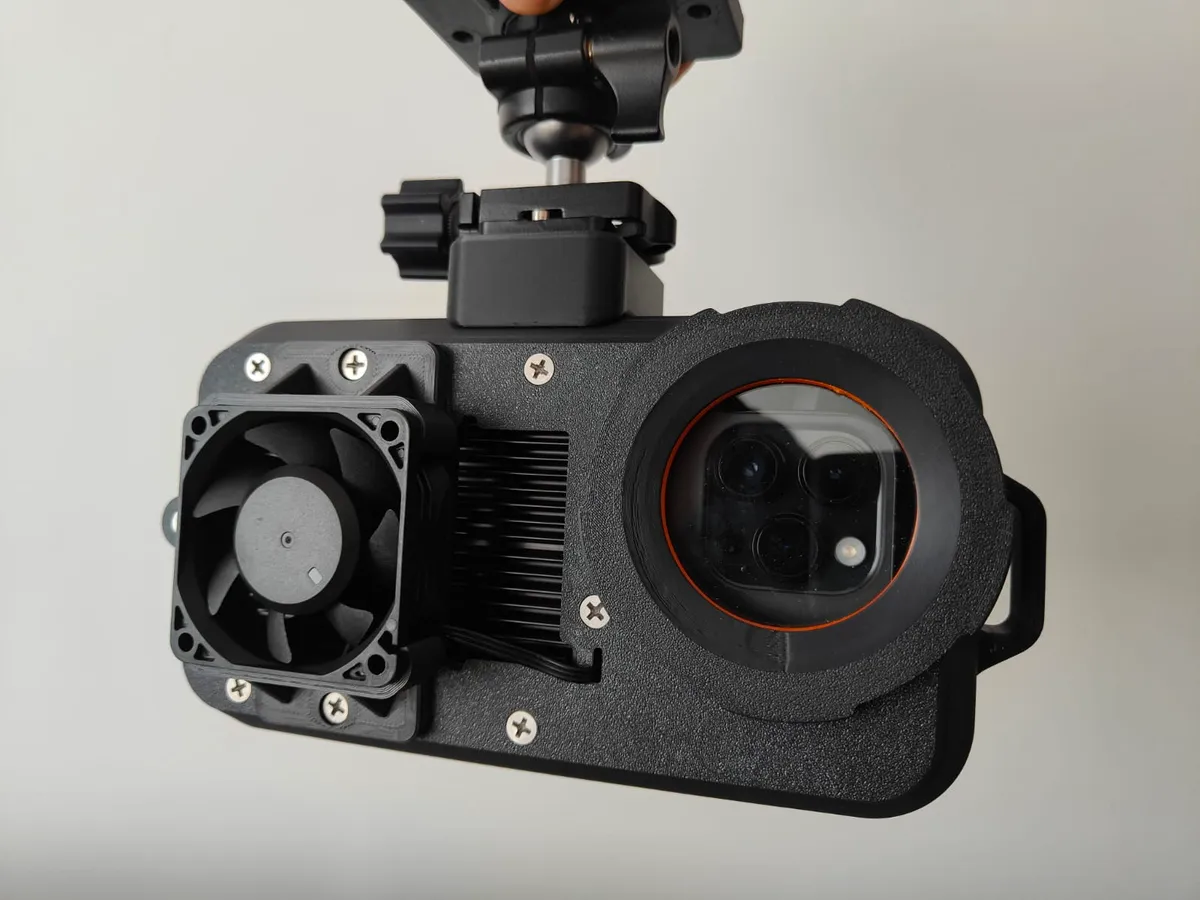
And sometimes the fix is not a board at all. On Enso, the first form factor boards came back with an I2C address conflict designed in. A respin would have cost schedule and budget, so we configured the pins dynamically in firmware based on which device the MCU needed at the time. The project stayed on schedule.