
How we work
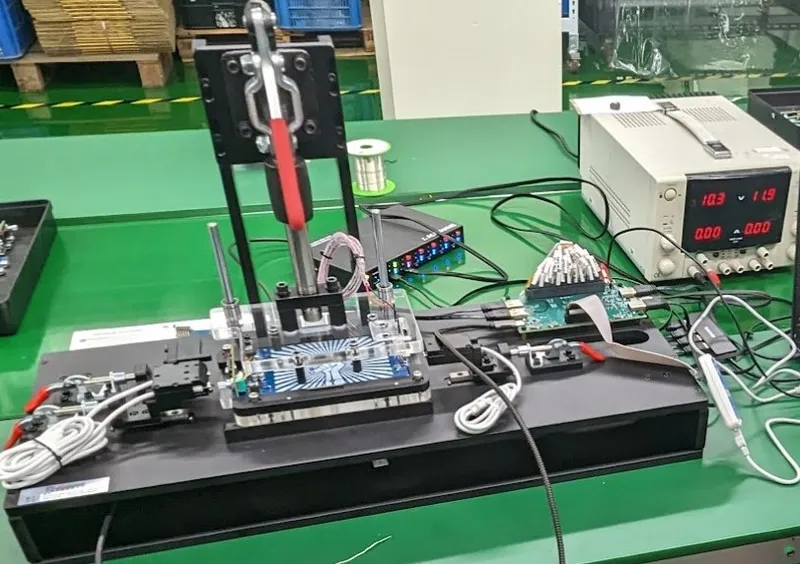
We understand what makes a manufacturing line work: test log file formats, statistical process control, empirical data, limit analysis, and minimizing logistics through automation. The solutions we develop include bed-of-nails test fixtures, final assembly test, and RMA handling.
Manufacturing prep is its own phase. It covers the DFM improvements to the form factor design, the collaboration with the contract manufacturer, support for regulatory and environmental testing, and the EVT, DVT, PVT and mass production management that follows.
It does not stop at launch either. After a product ships there is RMA triaging, statistical process control, support for the line itself, over-the-air firmware updates going out to users, and ongoing support of the IC supply chain — then a formal hand-off of the design.
What that looks like in practice
iFixit is the clearest example. Three unique PCBAs meant five test fixtures: a bed-of-nails for each of the two main boards, a functional fixture for the user interface board, and two final assembly fixtures for the built units. After running the first versions on the EVT and DVT builds it was obvious the test software was leaving time on the table. Redesigning parts of the fixture software interface, along with some hardware changes, cut test time by 50–70% at each station. That work happened across three trips to Taiwan in 2023–24 and a great many remote hours supporting the engineers on site.
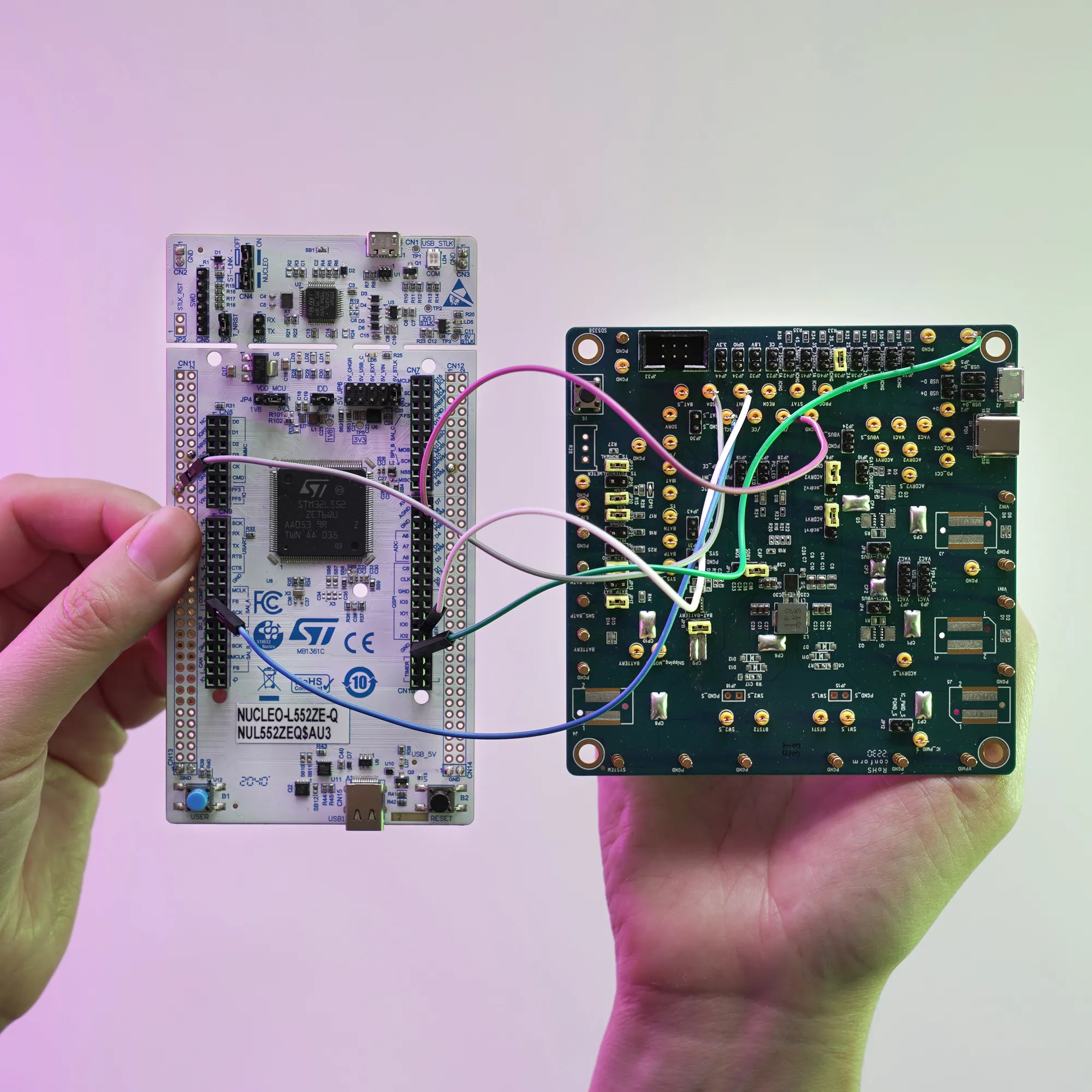
Reducing the electrical BOM cost meant sourcing and validating alternate components, which matters just as much for obsolescence as for price. During the 2020–2022 shortage that meant buying STM32 MCUs early through distributor contacts, and designing in a new battery charger and PMIC when the original parts went more than a year out.
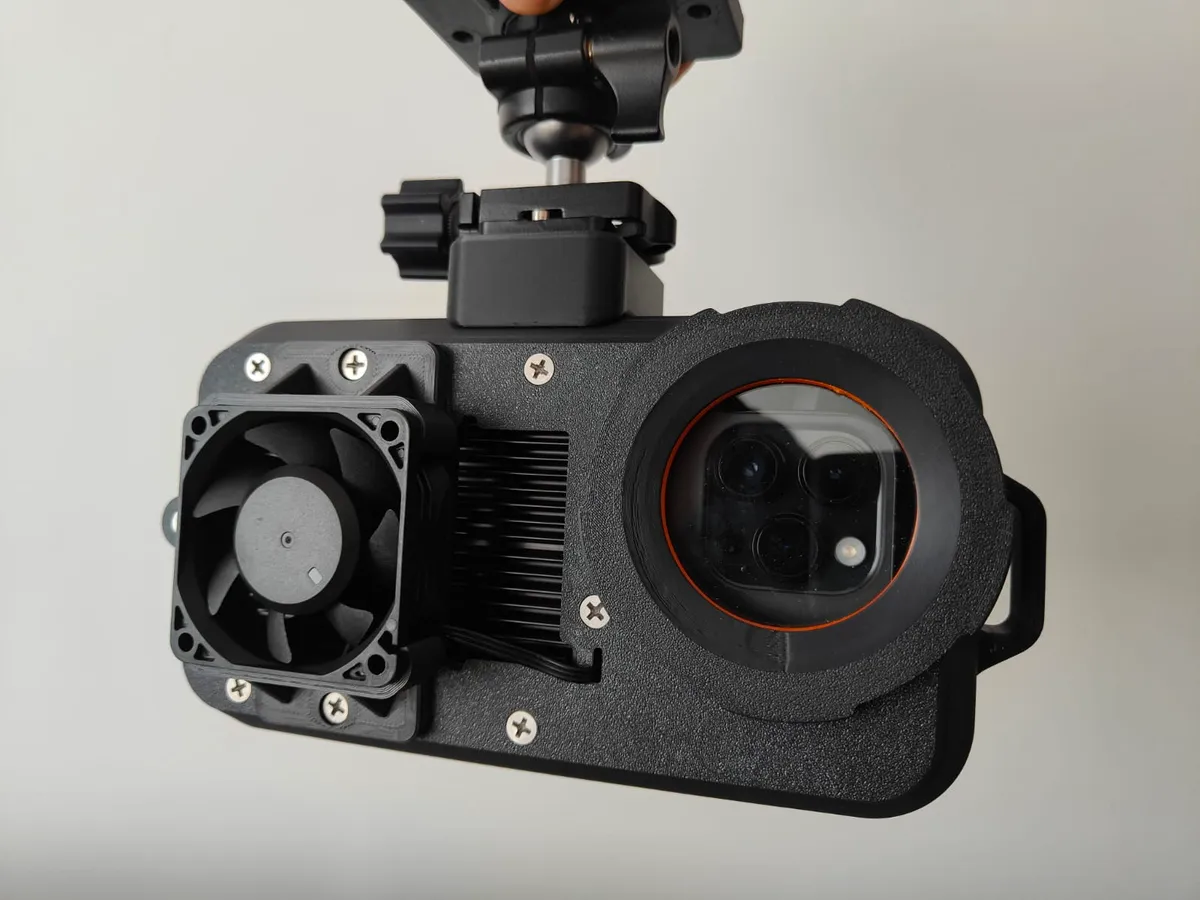
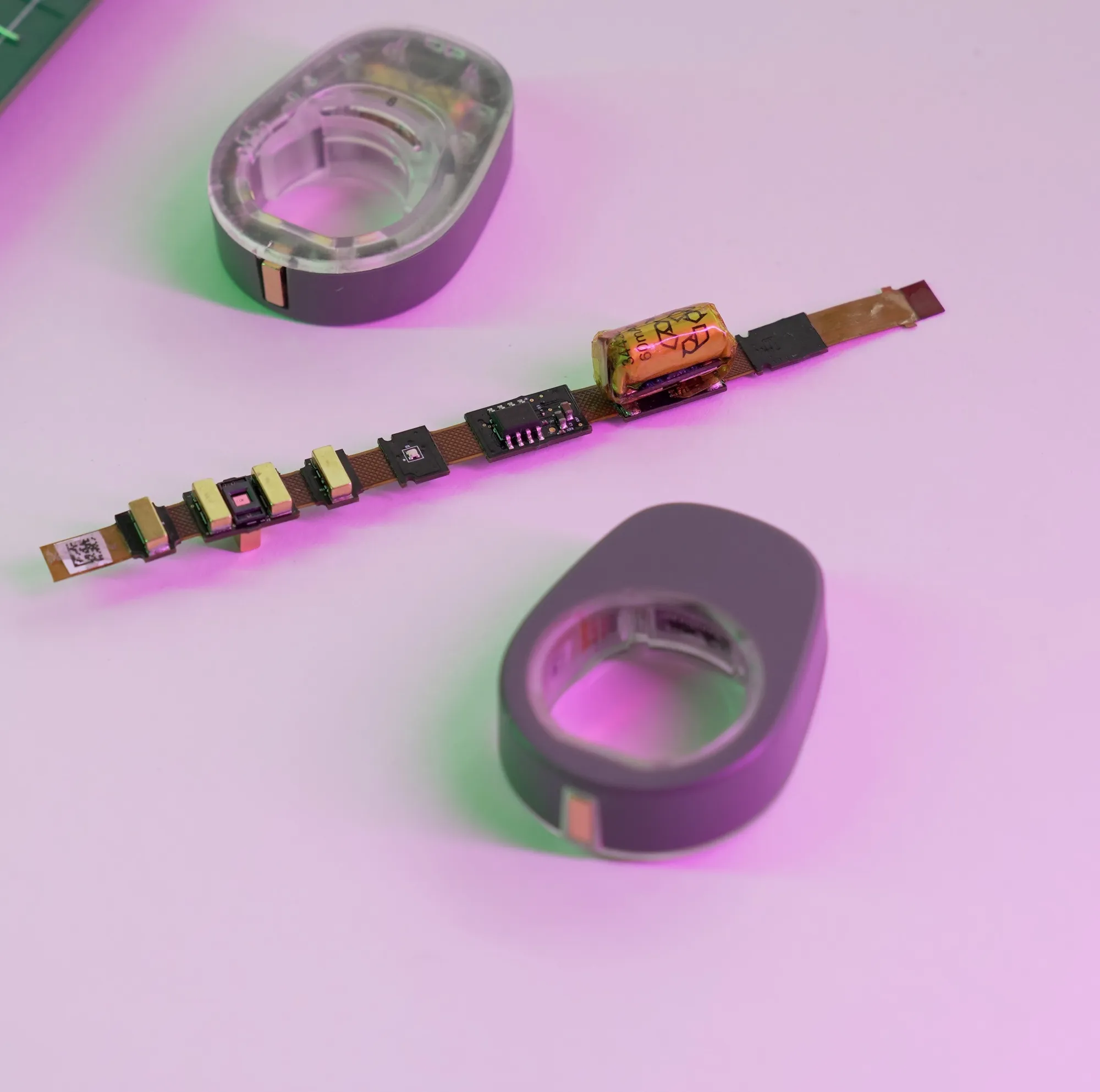
On Enso, DFM and the test fixtures for the electrical hardware were part of getting the product ready for mass production, alongside optimizing the firmware for battery life.