How we work
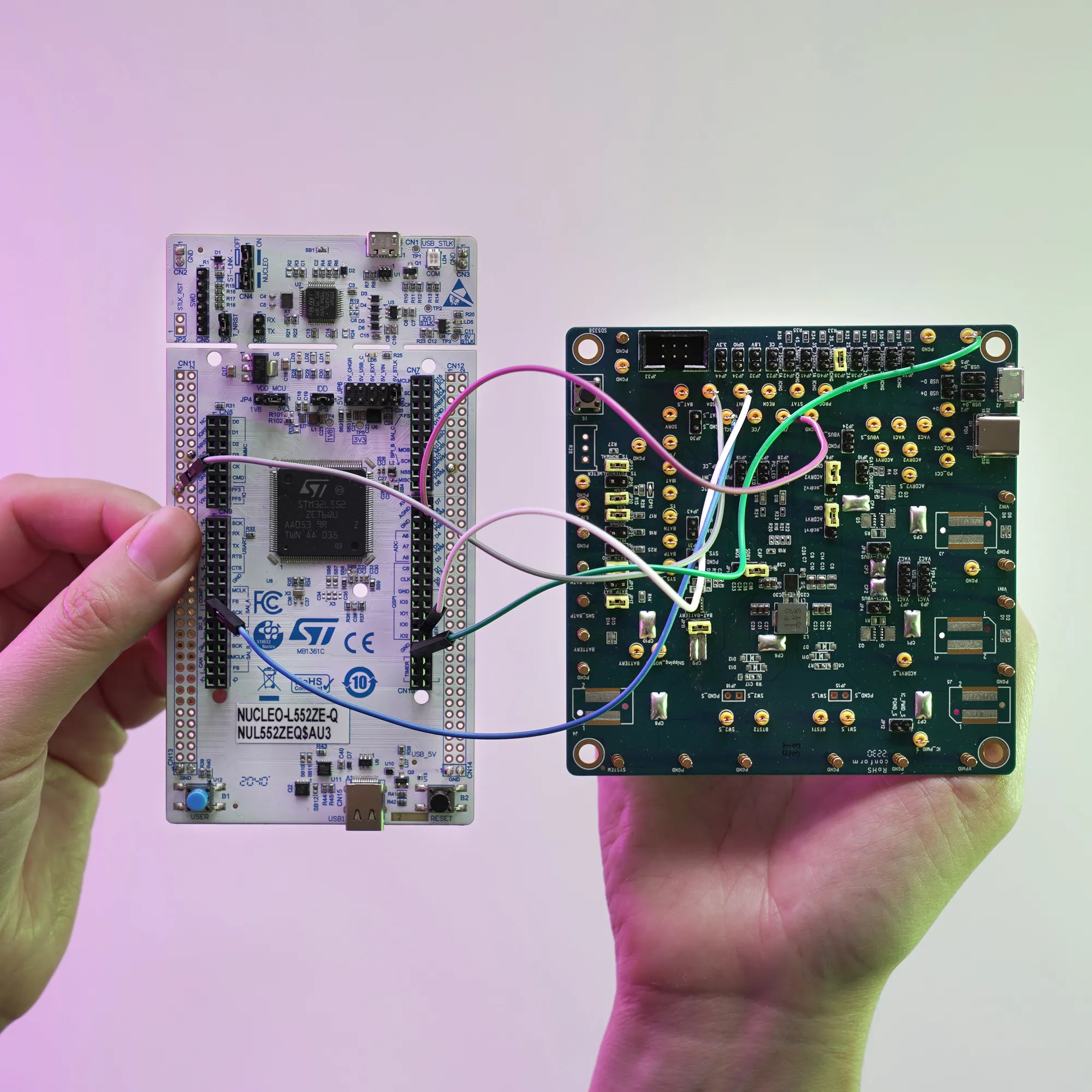
Chipset selection comes first, and it is a cost and supply decision as much as a technical one. On more than one project the integrated system-on-chip Bluetooth options were not capable enough for the experience the client wanted, so we went looking for a combination that was — ideally from a single vendor, so that supply management stays simple and the technical support is worth having.
From there the work splits in two: the firmware side of the link, and the interface the app is written against. We build the framework first so that application development has something stable to sit on, then the app on top of it.
Securing the data path is part of the job, not an afterthought. On products that reach production we work with the client's software team so that wireless data is secured properly.
What that looks like in practice
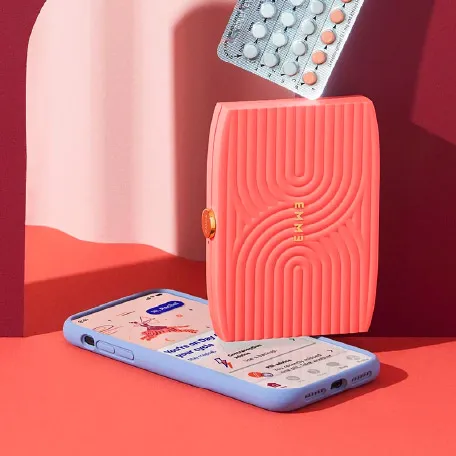
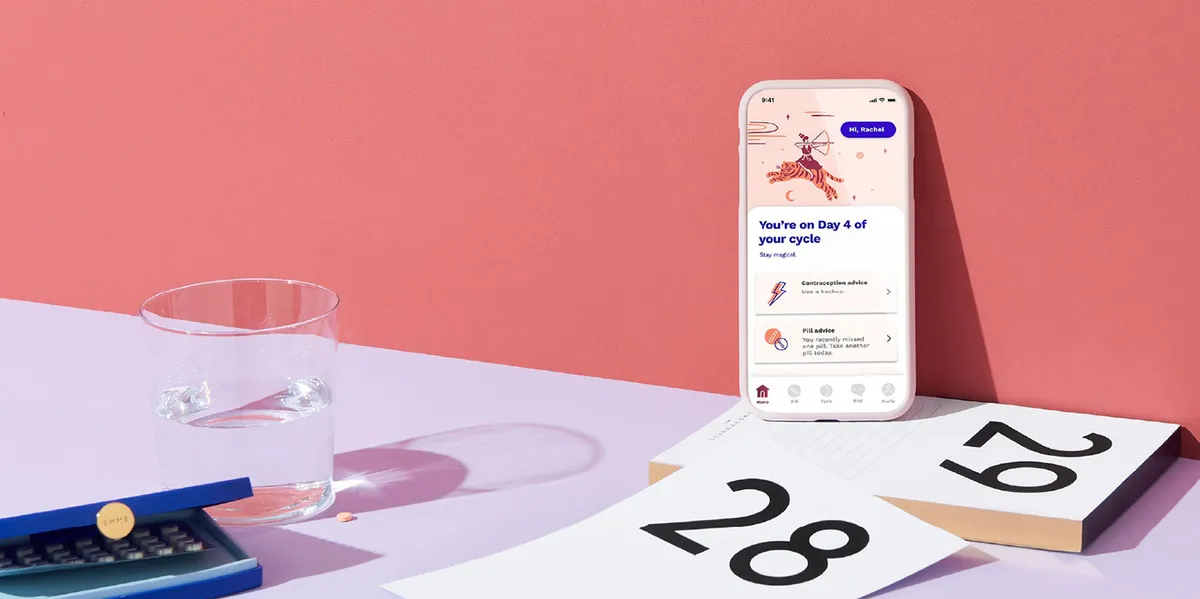
Emme needed a pill case that could tell a phone what had happened to it. We implemented Bluetooth Low Energy so the device could talk to the smartphone app, on top of the DSP that worked out when the case had been opened and the pack removed. The result was a working prototype Emme took to field trials and to investors.
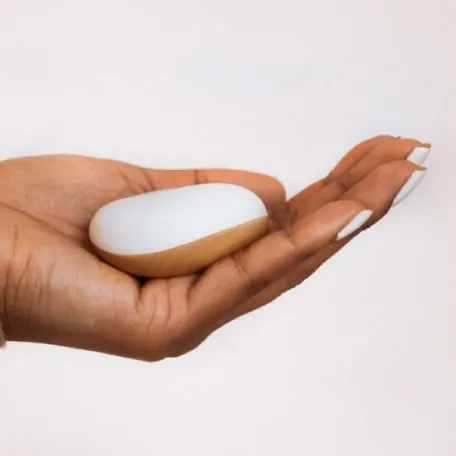
Enso started as a device that plays your heartbeat back to you, and the demo went well enough that the client asked a bigger question: could a heartbeat be recorded and saved, so that a family had something to keep? We built that into the next firmware revision — the user records through the app, the app stores the recording in the cloud, and pulls it back on request.