How we work
Good product execution is a function of understanding priorities given the stage of the design, communication, and allowing for flexibility in the work flow.
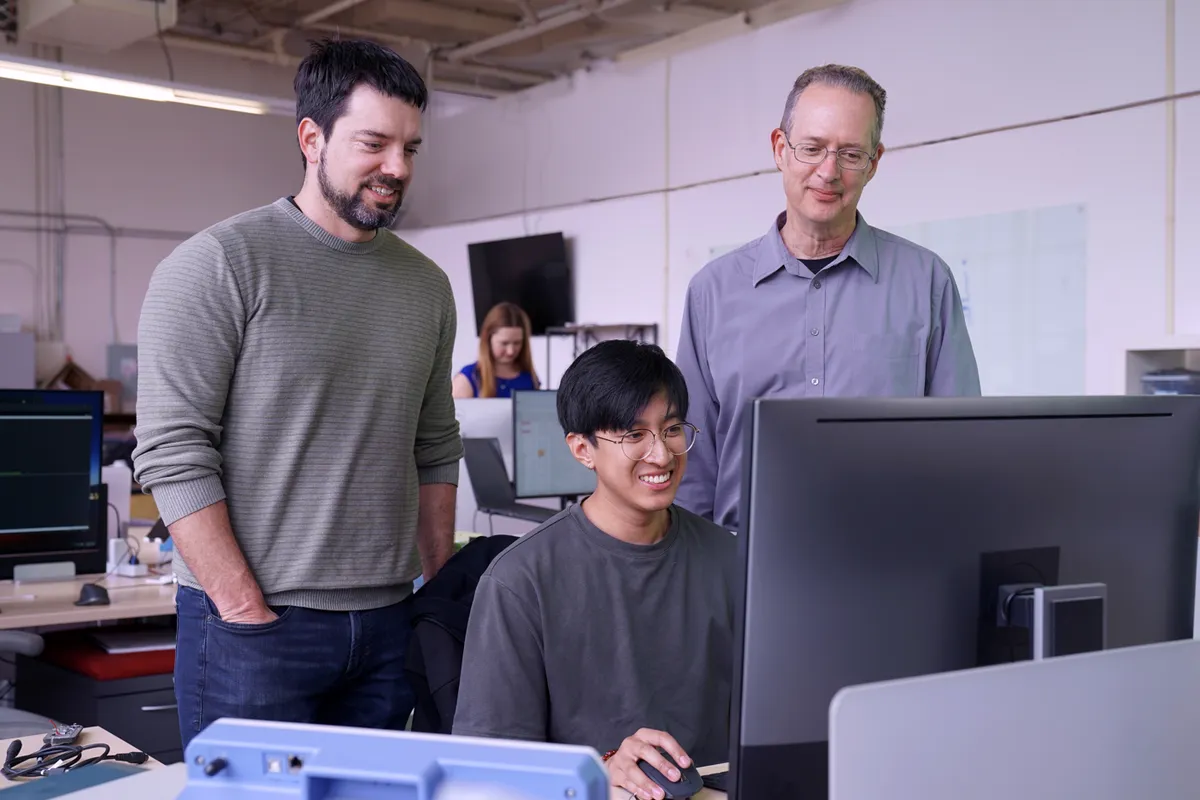
In practice that means a small set of habits. We agree the requirements in writing before the work starts. We set up a shared channel and a regular meeting, because collaboration that depends on people remembering to send updates does not survive a busy month. We track features, progress and bugs in one place. And we hold technical reviews on every project, including of designs a manufacturer or other partner is responsible for. What is uncommon is having the client in the room for them, which is how we run them wherever a client wants to be.
The tools are ordinary on purpose: Altium Designer for PCBA and FPCA design, the GNU toolchain, GitHub for hardware and software design assets, Linear for features, progress and bugs, Smartsheets for schedule tracking, and Slack.
What that looks like in practice
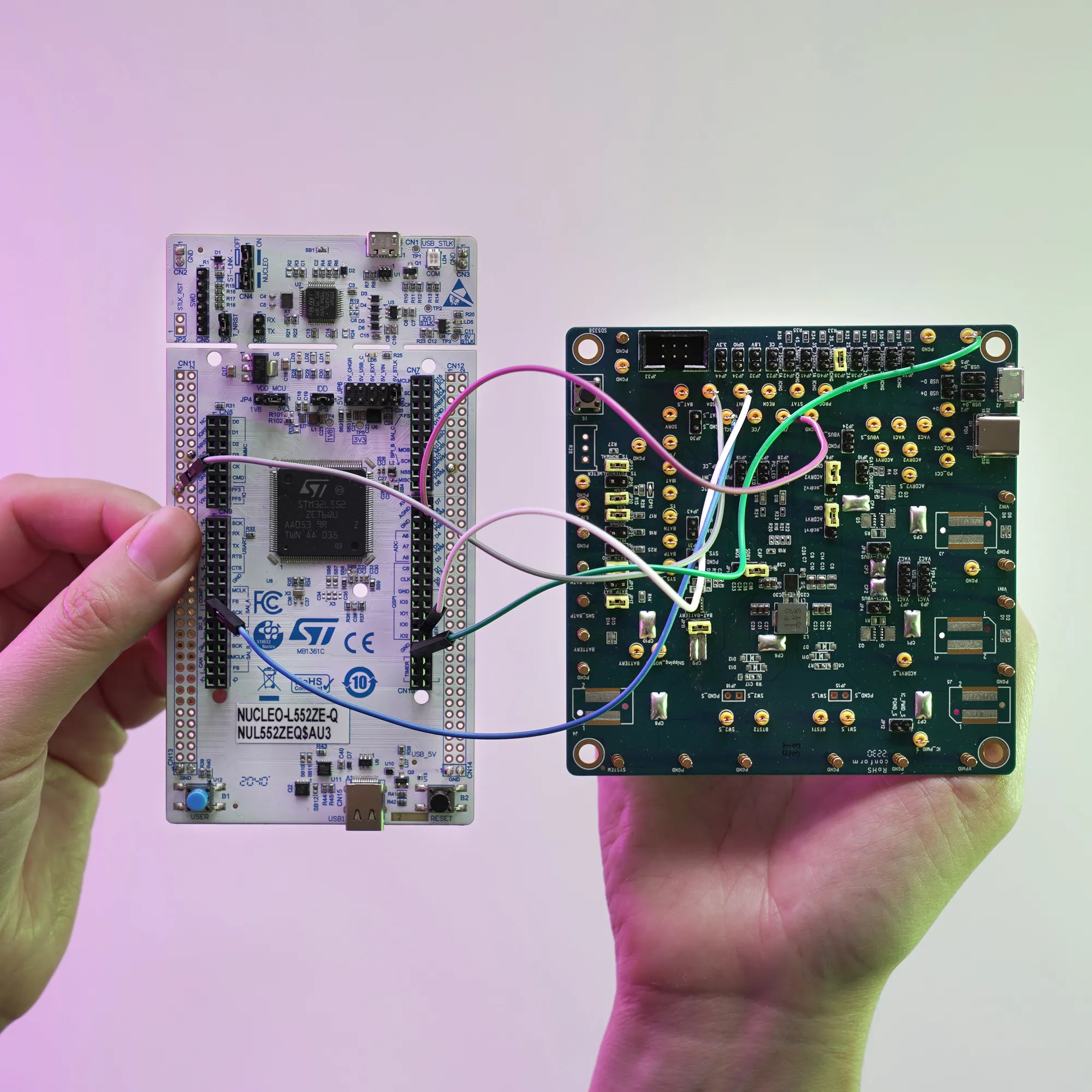
Roche is the project that shows the process most clearly. We opened a Slack channel and set weekly meetings with the Roche team, and set up a tracker for features, progress and bugs. We then wrote a comprehensive product requirements document with Amanda S., an electrical engineer at Roche, which set out what we would deliver — one compute module PCBA with firmware, one backplane PCBA for testing — and what success meant.
Then the part no plan survives: halfway through, our liaison at Roche left the company. We onboarded the replacement quickly on the goal, where the development had got to, and what would be needed from both sides to finish. The compute module was delivered in five months, on time and on budget.
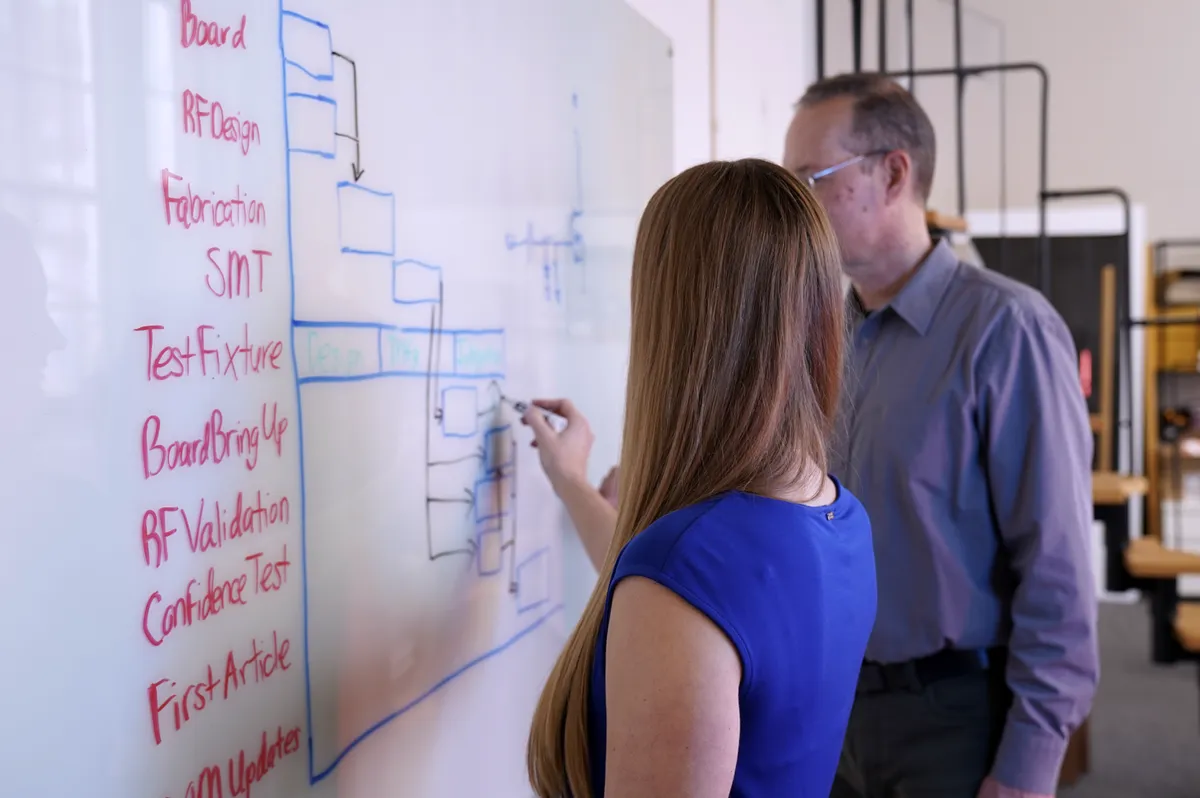
Emme shows the other half of the job — getting the right people in one room at the start. Product managers from Emme, mechanical engineers from Spanner Product Development and our own firmware and electrical engineers, working through budget, responsibilities, timelines and deliverables, then mapping the project into eight phases from system requirements through to quality assurance. The Emme team was new to product development, and part of the job was making sure that did not slow the project down.